mbeva
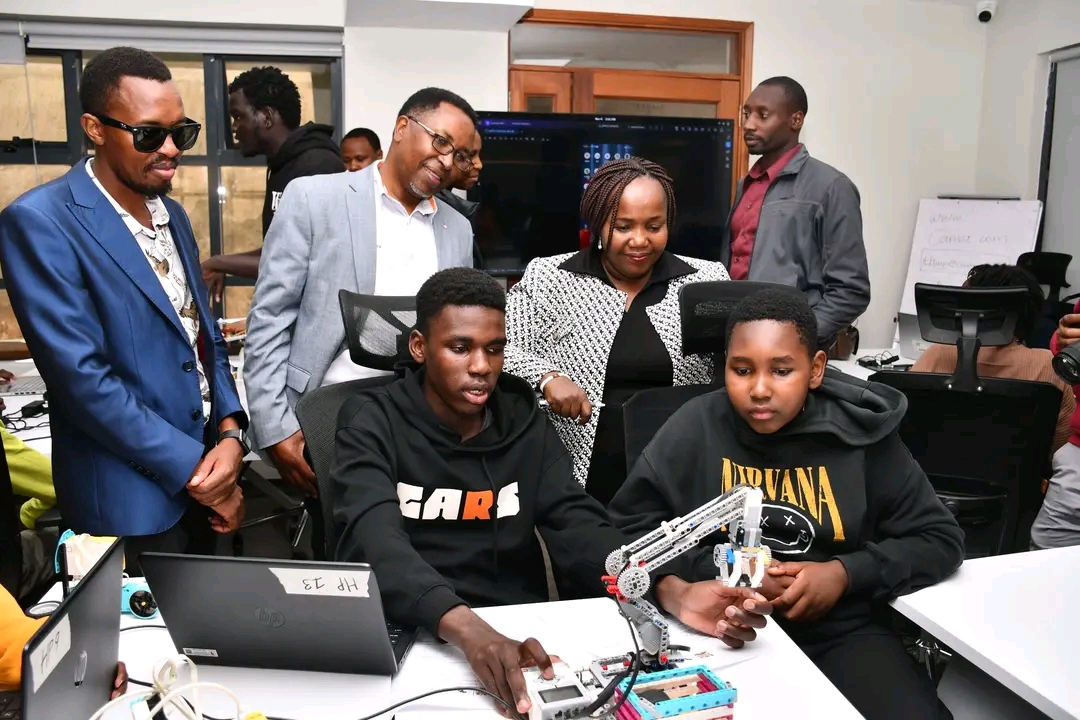
KSEF Head Urges Students to Use Science to Solve Community Challenges
The head of the Kenya Science and Engineering Fair (KSEF) in the State Department of Basic Education, Ms Tabitha Kariuki, has challenged Junior and Senior School learners to apply their scientific knowledge in developing practical solutions to emerging challenges affecting their communities.
Ms Kariuki emphasised the importance of moving beyond theoretical classroom learning and encouraging learners to use science, technology, engineering and innovation to address real-life problems.
Her message highlights the growing importance of practical scientific research in Kenya’s education system, particularly as the country continues implementing the Competency-Based Education (CBE) curriculum.
The challenge is also a significant reminder to science teachers, project coordinators and school administrators that learners should be encouraged to identify problems within their surroundings and develop innovative solutions through scientific investigation.
KSEF: Promoting Science, Technology and Innovation Among Kenyan Learners
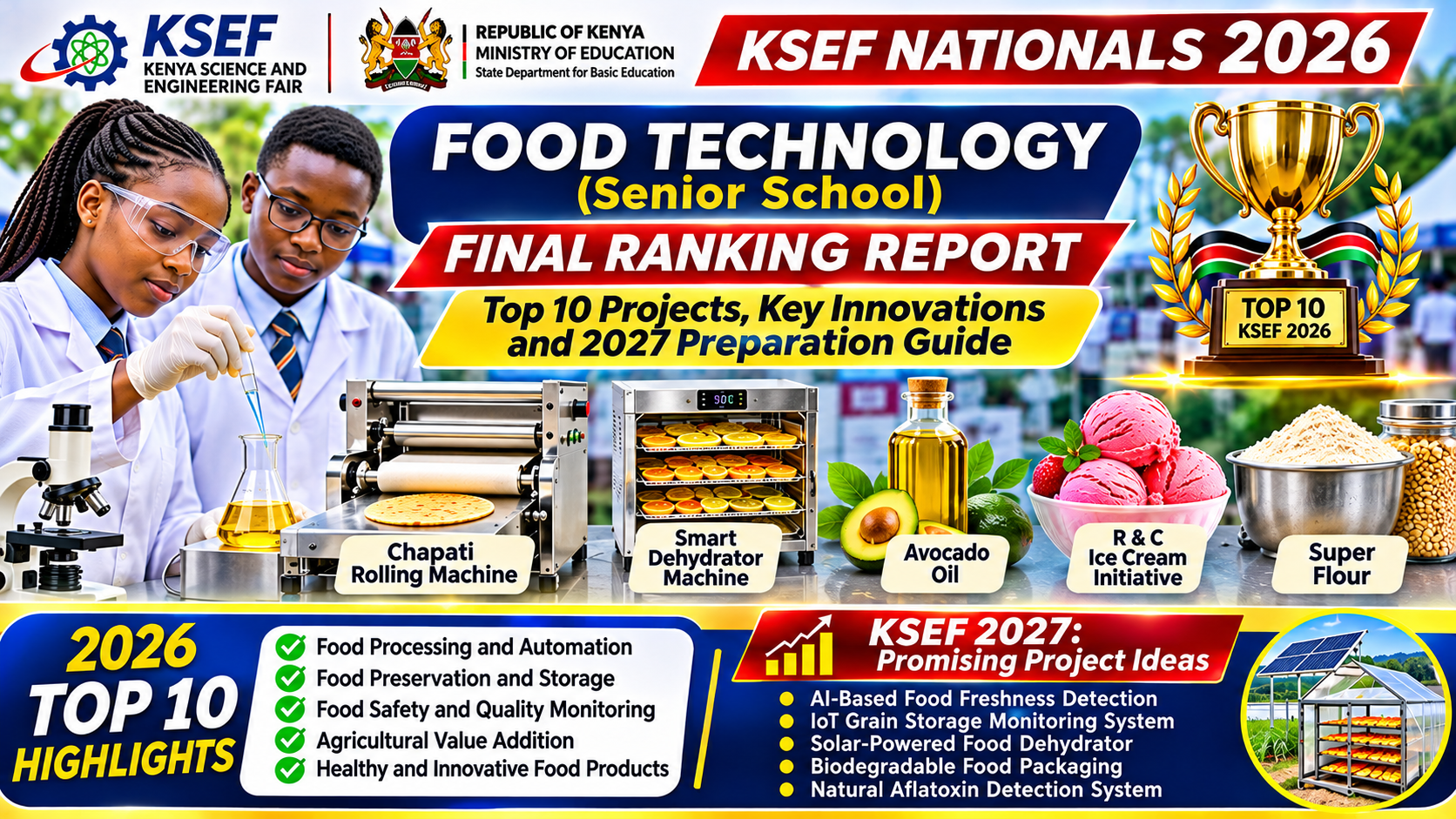
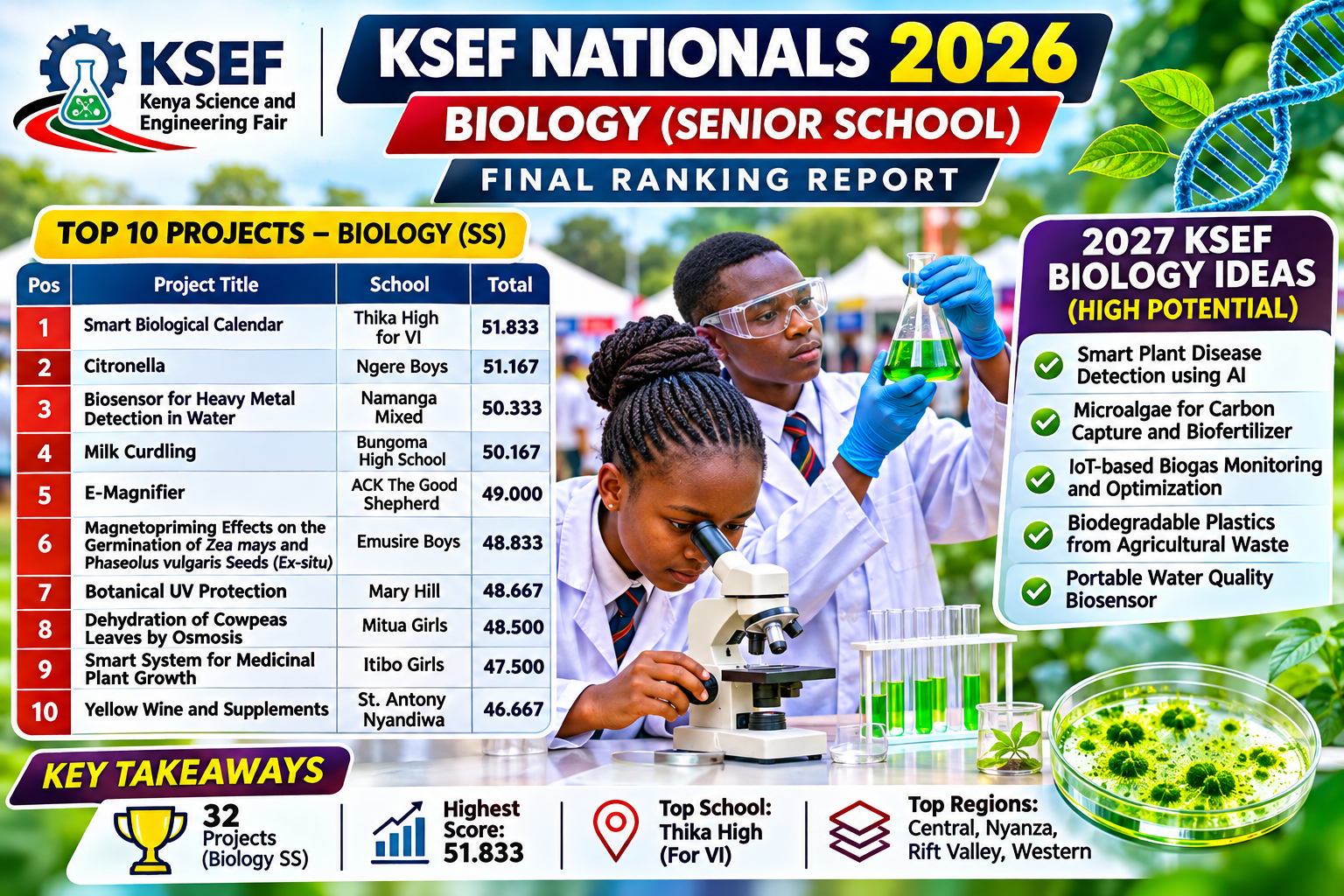
The Kenya Science and Engineering Fair is an important platform for promoting scientific creativity, research, experimentation and technological innovation among school learners.
Through science and engineering projects, learners get opportunities to demonstrate their understanding of scientific concepts by developing models, prototypes and practical solutions.
The competition encourages students to move beyond memorising scientific principles and demonstrate how these principles can be applied to improve people’s lives.
Students participate by identifying problems, conducting investigations, developing prototypes, testing their innovations and presenting their findings to judges.
These activities help learners develop essential competencies, including:
- Critical thinking and problem-solving.
- Creativity and innovation.
- Scientific investigation and experimentation.
- Communication and presentation skills.
- Collaboration and teamwork.
- Digital literacy and technological awareness.
- Environmental awareness and sustainability.
KSEF therefore provides an opportunity for learners to discover their talents in science, engineering, technology and research.
Emerging Community Challenges That Students Can Solve Through Science
Ms Kariuki’s challenge presents an opportunity for schools to rethink how they approach science projects.
Rather than developing projects solely for competition purposes, learners should identify genuine problems affecting their communities and investigate how scientific knowledge can provide sustainable solutions.
Some of the emerging challenges that students can address include:
1. Environmental Pollution and Waste Management
Poor waste management remains a challenge in many Kenyan communities.
Students can investigate innovative ways of converting waste materials into useful products.
Possible projects include:
- Converting plastic waste into useful construction materials.
- Producing decorative products from waste cartons.
- Developing biodegradable packaging materials.
- Converting organic waste into compost manure.
- Developing waste segregation and recycling systems.
Such projects encourage environmental conservation while promoting the principles of a circular economy.
2. Food Insecurity and Sustainable Agriculture
Agriculture remains an important sector in Kenya, making food security a suitable area for student research and innovation.
Learners can develop affordable agricultural technologies that help farmers improve productivity while reducing production costs.
Possible innovations include:
- Automated irrigation systems.
- Smart soil moisture monitoring devices.
- Vertical sack gardens.
- Hydroponic vegetable production systems.
- Solar-powered water pumping systems.
- Smart greenhouse monitoring systems.
These innovations can help communities improve food production, conserve water and adapt to changing climatic conditions.
3. Water Scarcity and Water Conservation
Access to clean and reliable water remains a concern in several communities.
Students can use scientific knowledge to develop affordable water management technologies.
Potential projects include automated water level controllers, rainwater harvesting systems, water filtration models and smart water leakage detection devices.
Learners can also investigate locally available materials for developing affordable water purification technologies.
4. Renewable Energy and Affordable Electricity
The increasing demand for affordable and sustainable energy provides another opportunity for student innovation.
Learners can explore renewable energy technologies and develop practical prototypes.
Examples include:
- Solar-powered lighting systems.
- Solar tracking systems.
- Biogas production models.
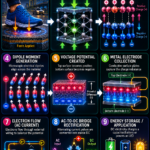
- Piezoelectric energy generation systems.
- Small-scale wind energy prototypes.
- Energy-efficient cooking technologies.
Such projects can demonstrate how scientific research can contribute to sustainable development.
5. Health and Community Safety
Science and technology can also help address health and safety challenges.
Students can investigate affordable technologies for improving safety, hygiene and disease prevention.
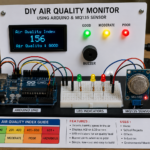
Potential innovations include automated handwashing systems, smart waste disposal units, food storage monitoring devices and environmental air quality monitoring systems.
These projects should be developed with appropriate scientific guidance and consideration of safety standards.
What the KSEF Challenge Means for Junior and Senior School Learners
The call by Ms Kariuki is particularly relevant as Kenya continues transitioning to the Competency-Based Education system.
The CBE curriculum places emphasis on developing learners who can apply acquired knowledge and skills to solve problems in their everyday environments.
Science projects provide an important opportunity to demonstrate these competencies.
Junior School Learners
Junior School learners should be encouraged to undertake simple investigations and develop practical models using locally available materials.
Teachers can guide learners to identify problems within their homes, schools and surrounding communities.
For example, learners studying Integrated Science can investigate water filtration, waste recycling, soil conservation, energy conversion and simple electrical systems.
The objective should be to develop curiosity, creativity, observation and basic problem-solving abilities.
Senior School Learners
Senior School learners have an opportunity to undertake more advanced scientific investigations aligned with their selected learning pathways and subject combinations.
Learners in the STEM pathway can explore engineering, computer science, environmental science, agriculture, physics, chemistry and other scientific disciplines.
They can develop working prototypes, collect experimental data, analyse findings and evaluate the effectiveness of their innovations.
Senior School projects should demonstrate originality, scientific accuracy, practical application and measurable results.
The Important Role of Science Teachers and Project Coordinators
The success of scientific innovation in schools depends significantly on the guidance provided by teachers.
Science teachers should move beyond conventional classroom instruction and create opportunities for learners to undertake practical investigations.
Project coordinators should encourage students to select research topics based on genuine community needs rather than simply copying existing projects.
Schools can strengthen their innovation programmes through the following approaches:
- Establishing active science and innovation clubs.
- Organising regular school-based science exhibitions.
- Encouraging interdisciplinary research projects.
- Providing access to laboratories and locally available materials.
- Supporting learners to develop functional prototypes.
- Inviting professionals and community experts to mentor students.
- Encouraging participation in county, regional and national science competitions.
Teachers should also guide learners on research methodology, project documentation, data collection, analysis and scientific presentation.
Why Community-Based Innovation Matters
One of the most important aspects of scientific research is its ability to provide solutions to real-world challenges.
A successful student project should not only demonstrate scientific knowledge but also explain the problem being addressed, how the proposed innovation works and the benefits it offers to the intended users.
For example, a learner developing an automated irrigation system should demonstrate how the technology detects soil moisture, controls water supply and helps reduce unnecessary water consumption.
Similarly, a learner developing a waste recycling innovation should explain the materials used, the production process and the environmental benefits.
This approach makes science competitions more meaningful because it connects classroom knowledge with practical community needs.
KSEF and the Future of STEM Education in Kenya
Kenya’s investment in STEM education is important for preparing learners to participate in a rapidly changing technological and industrial environment.
The country requires innovative young people who can contribute to sectors such as agriculture, manufacturing, renewable energy, healthcare, environmental conservation and digital technology.
Science fairs provide an important platform for identifying and nurturing such talents.
They also help learners develop confidence in presenting scientific ideas, defending their research findings and responding to questions from evaluators.
The challenge issued by Ms Tabitha Kariuki therefore reinforces the need to make science education more practical, innovative and responsive to society’s needs.
What Schools Should Do Ahead of Upcoming KSEF Competitions
Schools should begin preparing learners early by identifying potential research areas and establishing functional project development teams.
Science departments can organise brainstorming sessions where learners identify problems affecting their communities.
After selecting suitable research topics, students should undertake preliminary investigations, consult relevant scientific literature and develop project proposals.
Teachers should ensure that projects are based on genuine investigations and that learners understand the scientific principles behind their innovations.
Schools should also prioritise proper documentation, including research objectives, methodology, materials, experimental observations, results, conclusions and recommendations.
Most importantly, learners should be encouraged to develop projects that can eventually be adopted or improved to benefit their communities.
Conclusion
The challenge by Ms Tabitha Kariuki is an important call for a more practical and problem-solving approach to science education in Kenya.
Junior and Senior School learners should recognise that scientific knowledge is not limited to textbooks, examinations and classroom experiments. It is a powerful tool that can be used to address environmental, agricultural, technological, health and social challenges.
As Kenya continues strengthening STEM education under the Competency-Based Education curriculum, schools, teachers and learners have an important responsibility to nurture creativity, research and innovation.
The next generation of Kenyan scientists, engineers and inventors could emerge from today’s school science projects.
The real measure of innovation should not only be the awards won at science competitions but also the positive changes that learners’ inventions can bring to their communities.