mbeva
mbeva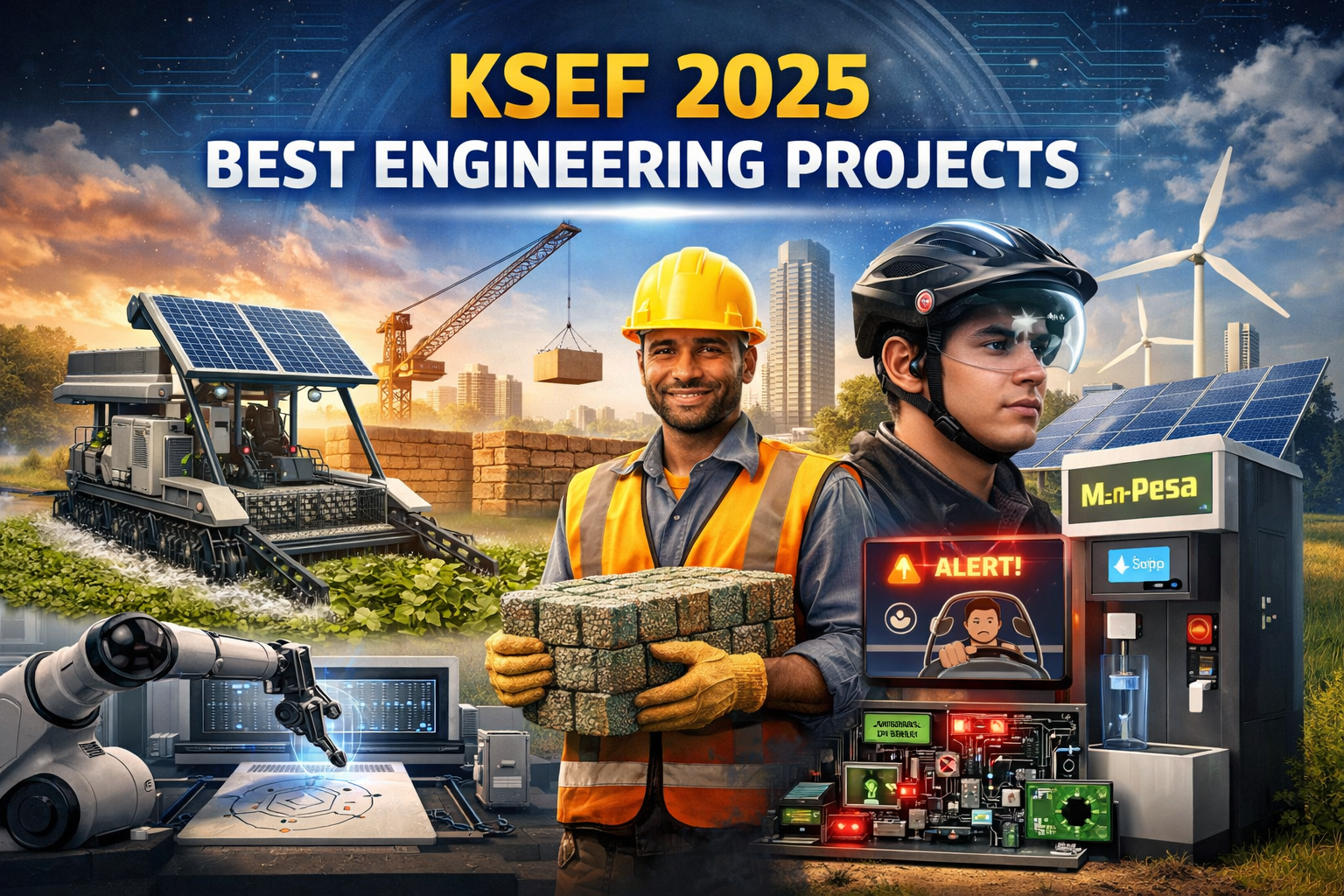
INTRODUCTION
The Kenya Science and Engineering Fair (KSEF) 2025 showcased outstanding innovation, creativity, and problem-solving skills among learners across the country. Engineering projects presented at the fair demonstrated practical applications of scientific knowledge to address real-life challenges in areas such as environmental sustainability, energy efficiency, infrastructure development, automation, and public safety. The projects reflected a strong alignment with national development goals and the Competency-Based Education (CBE) emphasis on skills, creativity, and innovation.
Among the many impressive entries, a number of engineering projects stood out for their originality, technical depth, feasibility, and social impact. These projects demonstrated excellent integration of theory and practice, effective use of locally available materials, and a clear understanding of engineering principles. Judges evaluated the projects based on innovation, problem identification, functionality, safety, sustainability, and potential for real-world application.
This section highlights the best engineering projects of KSEF 2025 across key branches: Mechanical Engineering, Electrical and Electronics Engineering, Civil Engineering, Mechatronics Engineering, and Safety and Transport Engineering. Each selected project represents the highest level of excellence within its branch and serves as a model of learner-driven innovation aimed at solving contemporary societal challenges through engineering.
MECHANICAL ENGINEERING PROJECTS
Automated Conveyor Belt
This project involves the design and construction of a mechanically driven conveyor belt system used for transporting materials from one point to another. It reduces the need for manual handling, thereby increasing efficiency and workplace safety. The system demonstrates principles of motion, friction, and load distribution. It can be applied in factories, warehouses, and agricultural processing units. The project highlights how automation improves productivity in industrial settings.
Mechanised Tree Planting
This project presents a mechanical solution for automating the tree planting process. The machine is designed to dig holes, place seedlings, and cover them with soil uniformly. It reduces human labor, saves time, and ensures proper planting depth for better seedling survival. The system supports large-scale afforestation and environmental conservation efforts. It demonstrates mechanical design applied to sustainable development.
Mechanical Scaffold
The mechanical scaffold is an adjustable support structure used in construction and maintenance work. It improves worker safety by providing stable working platforms at different heights. The design allows easy movement, height adjustment, and load support. It reduces the risk of falls and construction-related accidents. This project demonstrates practical applications of mechanical stability and structural design.
Power Pedal
The power pedal is a human-powered mechanical system that converts pedaling motion into usable mechanical or electrical energy. It demonstrates energy conversion from kinetic energy to useful output. The system can be used to power small machines or generate electricity. It promotes renewable energy use and physical fitness. The project highlights sustainable energy alternatives in low-resource environments.
Hydro-Milling Machine
This project uses water-driven force to operate a milling mechanism. It applies principles of fluid motion and mechanical energy transfer. The system reduces reliance on electrical power and lowers operational costs. It is suitable for rural or off-grid areas where water flow is available. The project demonstrates environmentally friendly mechanical engineering solutions.
Multi-Hydraulic Lift Crane
The crane uses hydraulic systems to lift and lower heavy loads safely. It demonstrates Pascal’s principle and the use of pressurized fluids. The design allows controlled lifting with minimal effort. It is applicable in construction sites, workshops, and warehouses. The project emphasizes safety, load control, and mechanical efficiency.
Manual Patient Transfer Chair
This project focuses on a mechanically designed chair that assists in transferring patients with limited mobility. It reduces physical strain on caregivers and improves patient safety. The design allows smooth movement and controlled positioning. It is suitable for hospitals, clinics, and home care. The project highlights mechanical engineering applied to healthcare support.
Mechanical Dairy Machine
The mechanical dairy machine automates processes such as milking or milk transfer. It improves hygiene by minimizing human contact with milk. The system ensures consistency, efficiency, and time-saving in dairy operations. It is suitable for small- and medium-scale dairy farmers. The project demonstrates agricultural mechanization through engineering.
House Cleaning Machine
This project presents a mechanized device designed to automate household cleaning tasks. It reduces manual labor and saves time for users. The system demonstrates rotational motion and mechanical transmission. It improves hygiene and cleanliness in homes. The project applies mechanical engineering principles to everyday domestic needs.
ELECTRICAL AND ELECTRONIC ENGINEERING PROJECTS
Automated Power Control System
This system automatically regulates electrical power supply to prevent overloads and short circuits. It improves electrical safety and protects appliances from damage. Sensors and control circuits manage power distribution efficiently. The project reduces energy wastage and improves reliability. It demonstrates smart electrical control applications.
Solar Powered Safety System
This project uses solar energy to power safety devices such as alarms or warning lights. It ensures continuous operation even in areas without grid electricity. The system promotes renewable energy use. It reduces operational costs and environmental impact. The project demonstrates sustainable electrical engineering solutions.
Automatic Tea Dispenser
The automatic tea dispenser uses electrical control to dispense tea in measured quantities. It improves hygiene by reducing direct contact. The system ensures consistency in serving. It saves time in institutions such as schools and offices. The project applies electronics to food and beverage automation.
Automatic Air Cooler
This project involves an electrically controlled cooling system that operates based on temperature conditions. It reduces unnecessary energy consumption. The system improves indoor comfort efficiently. It demonstrates principles of sensors and electrical control. The project promotes energy-conscious cooling solutions.
Voice Recognition Calculator for the Blind
This device enables visually impaired users to perform calculations using voice commands. It improves accessibility and independence. The system integrates speech recognition and audio output. It promotes inclusive technology design. The project demonstrates assistive electronic engineering.
Smart Home Control System
The smart home system allows automated control of appliances and lighting. It improves energy efficiency and user convenience. Sensors and controllers manage different home functions. The system enhances security and comfort. The project demonstrates modern home automation concepts.
Electrical Library Guide
This project helps library users locate books using electronic indicators or displays. It improves organization and access to information. The system reduces time spent searching for materials. It is suitable for large libraries. The project applies electronics to information management.
CNC Pen Plotter
The CNC pen plotter is a computer-controlled drawing machine. It produces precise designs using programmed instructions. The project introduces automation and digital manufacturing concepts. It demonstrates coordination between software and hardware. The system is useful in design and educational applications.
CIVIL AND CONSTRUCTION ENGINEERING PROJECTS
Green Construction Engineering with Ecobrick
This project uses ecobricks made from plastic waste as construction materials. It reduces environmental pollution by recycling plastics. The method lowers construction costs. It promotes sustainable building practices. The project demonstrates eco-friendly civil engineering solutions.
Plastic Sand Ventilation Blocks
These blocks are made from recycled plastic and sand. They allow airflow while maintaining structural strength. The blocks reduce plastic waste in the environment. They improve ventilation in buildings. The project promotes sustainable construction materials.
Rammed Earth Wall
This project demonstrates wall construction using compacted soil. It provides good thermal insulation. The method is environmentally friendly and cost-effective. It reduces reliance on cement. The project highlights traditional yet sustainable civil engineering techniques.
Tofali Plus
Tofali Plus is an improved building block designed for durability and efficiency. It enhances strength while reducing material costs. The block supports affordable housing. It improves construction quality. The project demonstrates innovation in masonry materials.
MECHATRONICS ENGINEERING PROJECTS
M-Pesa Enabled Water Dispensing Machine
This system combines mechanical dispensing, electronics, and mobile payment. Users pay electronically to access water. It improves accountability and access to clean water. The system reduces vandalism and misuse. The project demonstrates integrated engineering solutions.
Sensor Water Dispenser
The dispenser uses sensors to detect hand presence. It dispenses water automatically without physical contact. The system improves hygiene. It reduces water wastage. The project applies mechatronics to public health.
Smart Eco-Conscious Shopping Efficat
This project uses sensors and electronics to promote environmentally responsible shopping. It tracks usage efficiency and waste reduction. The system educates consumers on sustainability. It combines mechanical and electronic components. The project demonstrates green innovation.
Automatic Dam Overflow Alert
This system uses sensors to monitor water levels in dams. It sends alerts when overflow is imminent. The project helps prevent flooding. It protects infrastructure and communities. It demonstrates real-time monitoring systems.
Solar Electric Hybrid Hyacinth Harvester
This project combines mechanical harvesting with solar-powered control systems. It removes invasive water hyacinth from water bodies. The system reduces environmental damage. It supports aquatic ecosystem restoration. The project demonstrates hybrid engineering solutions.
Automatic Soap and Water Dispenser
This system dispenses soap and water automatically using sensors. It reduces contact and disease transmission. The project improves hygiene in public spaces. It conserves water and soap. The system demonstrates applied mechatronics.
SAFETY AND TRANSPORT ENGINEERING PROJECTS
Drowsiness Alert
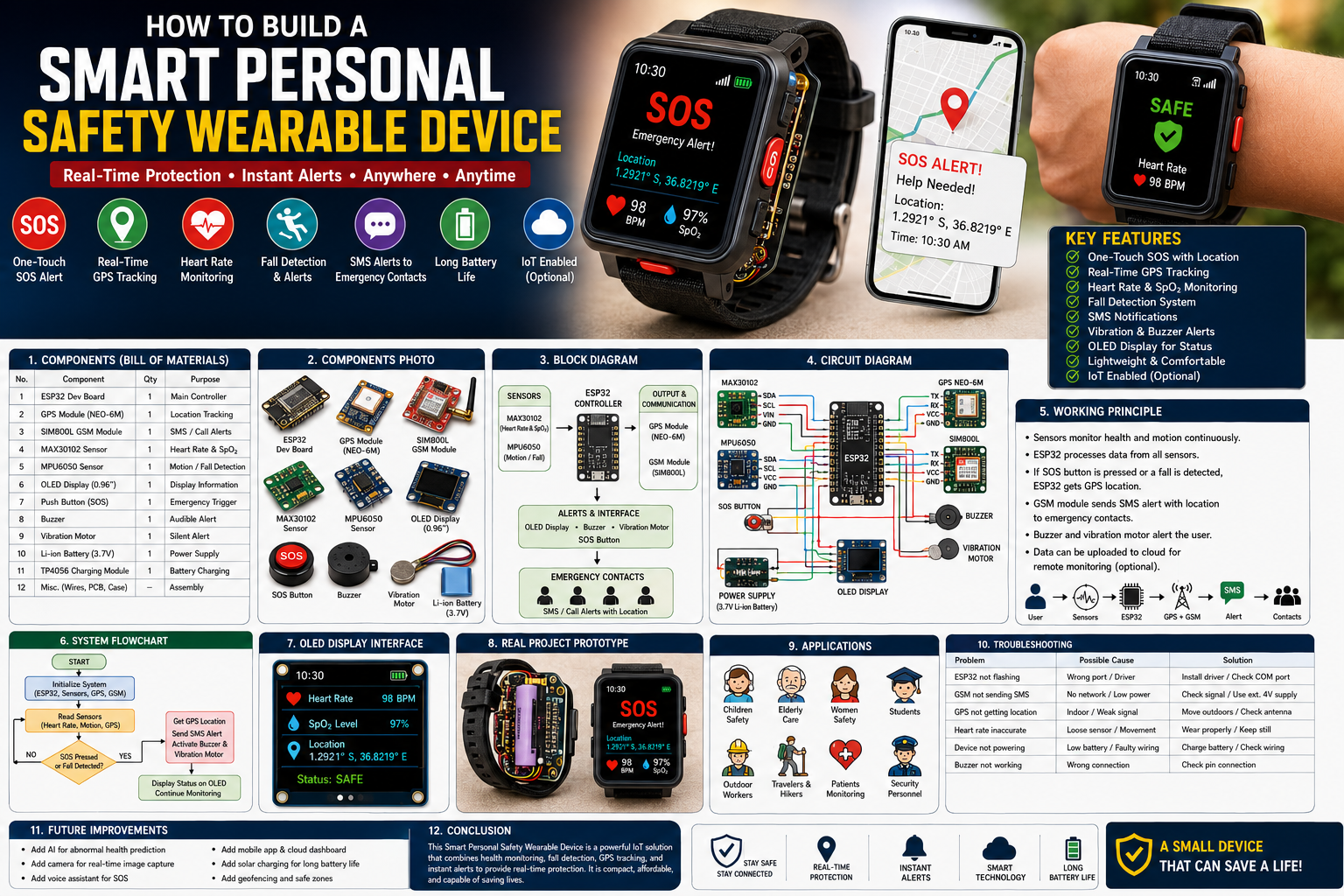
This system monitors driver alertness and detects fatigue. It issues warnings to prevent accidents. The project improves road safety. It reduces loss of life caused by fatigue-related crashes. The system demonstrates safety engineering applications.
Black Spot Detector Helmet
This helmet alerts riders when approaching accident-prone areas. It improves situational awareness. The system enhances rider safety. It reduces accident risks. The project applies technology to personal protective equipment.
Minimising Road Accidents on a Sharp Corner
This project introduces warning systems or road modifications at dangerous bends. It improves driver visibility and response time. The system reduces collision risks. It enhances road safety. The project demonstrates transport safety engineering.
Enhancing Road Safety on Hairpin Bends
This project focuses on safety measures for sharp mountainous roads. It uses signs, reflectors, or alerts. The system reduces accidents on dangerous curves. It improves driver confidence. The project applies engineering to transport safety.
Air Conditioner (Improvised Model)
This project demonstrates basic air-conditioning principles using local materials. It focuses on safe electrical and mechanical operation. The system improves indoor comfort. It reduces cost compared to commercial systems. The project highlights practical engineering innovation.
Simple Air Conditioner
This low-cost cooling device uses basic engineering principles. It improves comfort in hot environments. The system demonstrates heat transfer concepts. It is suitable for learning and demonstration. The project promotes affordable cooling solutions.