 mbeva
mbeva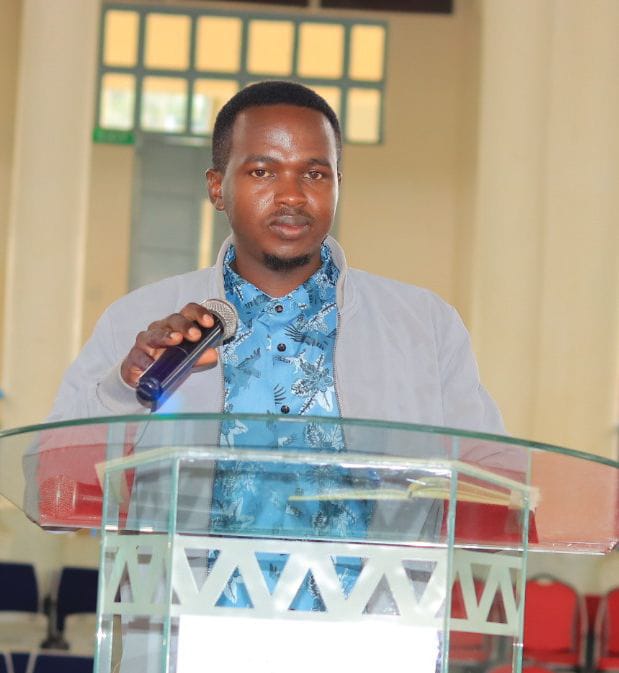
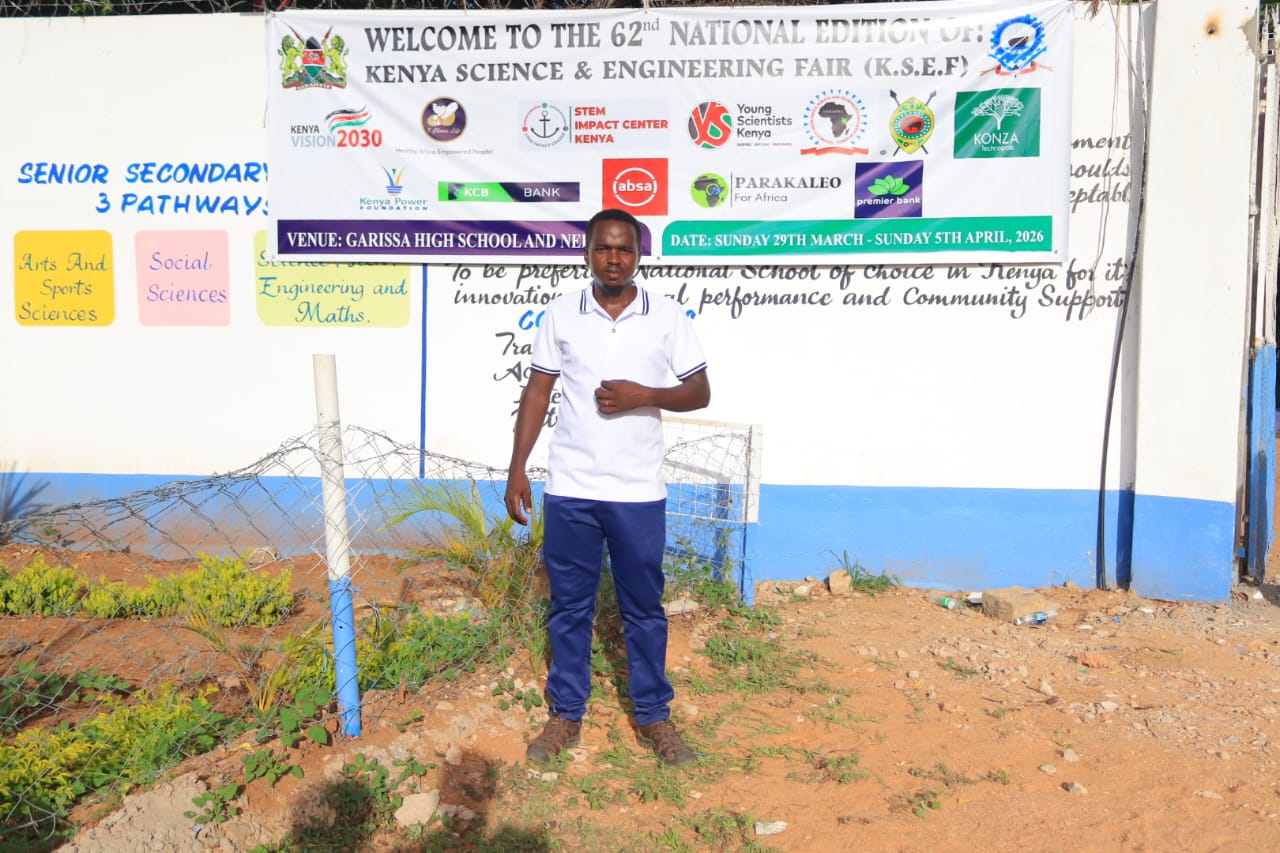
The Kenya Science and Engineering Fair (KSEF) has long stood as a platform for nurturing student creativity, scientific thinking, and practical problem-solving. Over the years, it has produced remarkable school-based innovations and inspired countless young minds to think beyond the classroom. But for Dominic Mbeva, science educator, researcher, innovator, and creative technologist, the future of KSEF must go even further.
In his view, KSEF should no longer be seen only as an annual school competition. It should evolve into a national ecosystem of research, publication, mentorship, digital innovation, and project commercialisation.
For Dominic, the fair is not just about displays and judging. It is about building a culture where ideas are documented, researchers are empowered, and student innovations are given the opportunity to create lasting impact.
Beyond the Exhibition Table
One of the biggest concerns Dominic raises is the fate of many brilliant student projects after the fair season ends. Every year, learners across Kenya invest time, effort, creativity, and scientific inquiry into developing meaningful projects. Yet many of these ideas disappear once the exhibitions are over.
Dominic believes this is one of the greatest gaps in the current system.
“One of my greatest expectations for KSEF is to see a future where student projects do not end at the exhibition table, but continue as documented knowledge through structured project journals.”
According to him, many student innovations are rich in originality and practical relevance, but because they are not documented or published, they fail to reach wider audiences who could learn from them, improve them, or support them.
His vision is to see KSEF develop systems that preserve these ideas as part of Kenya’s growing research and innovation history.
A Future of Project Journals at Every Level
Among Dominic Mbeva’s strongest aspirations is the introduction of project journals and scientific publications for student work at county, regional, and national levels.
He envisions a future where outstanding KSEF projects are compiled, edited, and published into accessible journals or innovation reports that can be used by schools, researchers, policymakers, and development stakeholders.
“We have brilliant ideas being developed every year at county, regional, and national levels, but many of them disappear after the competition. My vision is to see these innovations preserved, published, and shared as scientific references that can inspire future researchers.”
Such a move, he believes, would not only preserve innovation but also improve the quality of future projects. Students would begin to see their work not just as a competition entry, but as a contribution to scientific knowledge and national development.
Publication, in his view, would bring a new level of seriousness, originality, and academic value to school-based research.
Turning KSEF into a Permanent Knowledge System
Dominic Mbeva sees a future where KSEF is no longer just an event on the calendar, but a permanent knowledge system with long-term educational and developmental value.
He is particularly passionate about the creation of a national digital archive where student projects from across Kenya can be documented and stored for future reference.
“KSEF should not only be an annual event; it should become a permanent knowledge system.”
“I look forward to a time when we shall have a digital archive of all outstanding student projects across Kenya — an organized platform where young innovators can proudly say, ‘My project is published, documented, and recognized beyond the fair.’”
This kind of archive, he argues, would make it possible for students, teachers, and institutions to access past innovations, build upon existing ideas, and avoid repeating the same concepts without advancement.
In a rapidly digital world, such a platform would also help schools connect research with visibility, collaboration, and national recognition.
The Need for Online Platforms and Virtual Commercialisation
Perhaps one of Dominic’s most forward-looking ideas is the call for online innovation platforms that can move student projects beyond physical exhibition halls into the digital marketplace of ideas.
He believes KSEF must embrace the possibilities of technology and create systems where projects can be showcased virtually, accessed online, and linked to opportunities for development and commercial growth.
“We are living in a digital era, and KSEF must evolve with it. We need online platforms where student innovations can move from display boards to real-world visibility and commercial opportunity.”
This vision includes the possibility of virtual project commercialisation, where promising innovations can be exposed to stakeholders such as investors, institutions, incubators, NGOs, research bodies, and innovation partners.
“My dream is to see virtual innovation platforms where projects can be showcased online, evaluated digitally, shared with institutions, and even linked to potential investors, incubators, and development partners.”
For Dominic, many student projects are more than school assignments. They are solutions to real community and environmental challenges. With the right systems, some of them could be improved, adopted, or scaled for real-world use.
Empowering the Researcher, Not Just the Competitor
Another important part of Dominic Mbeva’s message is the need to redefine how students view participation in KSEF. Too often, he notes, science fairs are approached mainly as competitions focused on ranking, trophies, or certificates.
But to him, the deeper value lies in empowering the learner as a researcher, innovator, and problem-solver.
“KSEF should become a launchpad for young researchers, not just a competition platform.”
He believes that students must be guided to see themselves as contributors to national progress — individuals capable of asking meaningful questions, conducting investigations, and proposing solutions with social relevance.
“We need to empower learners to think beyond certificates and trophies. They should see themselves as researchers, innovators, and contributors to national development.”
This shift in mindset, he says, is what can truly transform science education in Kenya. When learners understand that their work has value beyond the classroom, they become more intentional, more curious, and more confident in their abilities.
Every County, Every Region, Every Idea Matters
Dominic also emphasizes that innovation is not limited to a few schools or top-performing regions. In his view, every county in Kenya has untapped potential, and every level of KSEF deserves stronger support and visibility.
“Every level of KSEF matters — county, regional, and national. Each one is a critical stage of nurturing talent, refining ideas, and building confidence in student innovators.”
He is especially passionate about ensuring that promising projects from county and regional levels are not forgotten simply because they do not progress to the national stage.
“A good project from a remote school should not be forgotten simply because it did not reach the national stage. Every innovation deserves a chance to be seen, developed, and improved.”
This perspective reflects his belief in equity, inclusivity, and the democratization of opportunity in science and innovation.
Building a Stronger Research Culture in Schools
For Dominic Mbeva, the long-term future of KSEF is closely tied to the broader need for a stronger research and innovation culture in schools.
He argues that if education is to truly prepare students for the modern world, then schools must treat research not as a seasonal activity, but as an essential part of learning.
“If we truly want to transform education, then research and innovation must become part of school culture, not just an event season.”
When learners are consistently encouraged to identify problems, investigate causes, test ideas, and communicate findings, they begin to develop a mindset that is both scientific and solution-oriented.
That is the kind of educational transformation Dominic wants to see — one where schools become incubators of thought, experimentation, and practical innovation.
A Vision Rooted in Mentorship and Possibility
At the center of all these ideas is one key belief: young people need more than instruction — they need mentorship, platforms, and belief.
Dominic Mbeva sees KSEF as a powerful foundation for shaping future scientists, engineers, inventors, environmentalists, and innovators. But to unlock that potential, he believes the system must become more intentional, more connected, and more future-facing.
His vision is not simply about improving a fair. It is about transforming KSEF into a national force for knowledge, opportunity, and innovation-driven development.
Conclusion
Dominic Mbeva’s vision for the Kenya Science and Engineering Fair is both timely and transformative. In a world increasingly shaped by research, technology, and creativity, he believes Kenya has an opportunity to elevate student innovation from isolated school projects to a nationally recognized and digitally supported innovation movement.
From project journals and digital archives to virtual commercialisation platforms and researcher empowerment, his ideas challenge educators and stakeholders to think bigger about what KSEF can become.
And perhaps his message can be summed up in one powerful statement:
“My vision for KSEF is simple but powerful: to transform it from a competition into a national ecosystem of research, publication, innovation, mentorship, and commercial opportunity for young scientists.”
If that vision is embraced, KSEF will not only produce winners. It will produce impact.


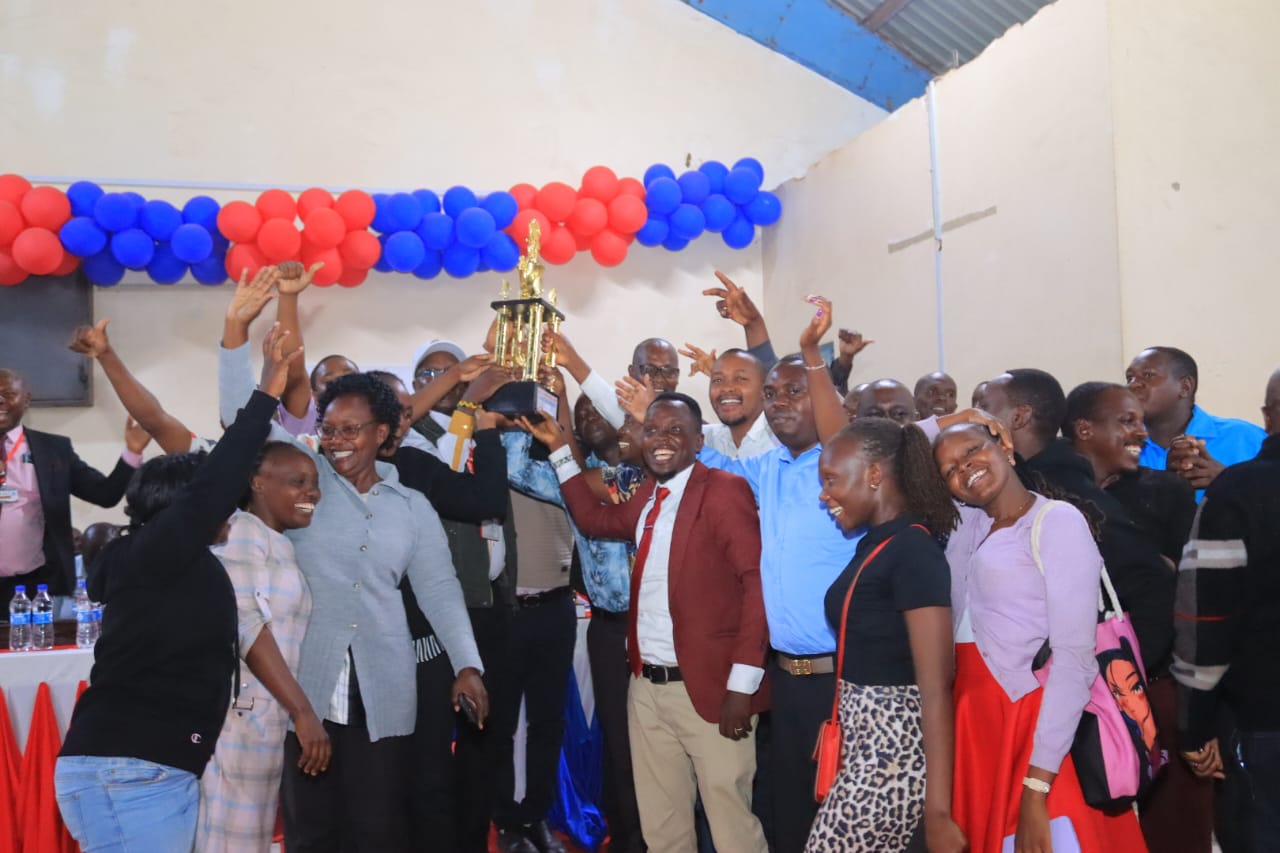


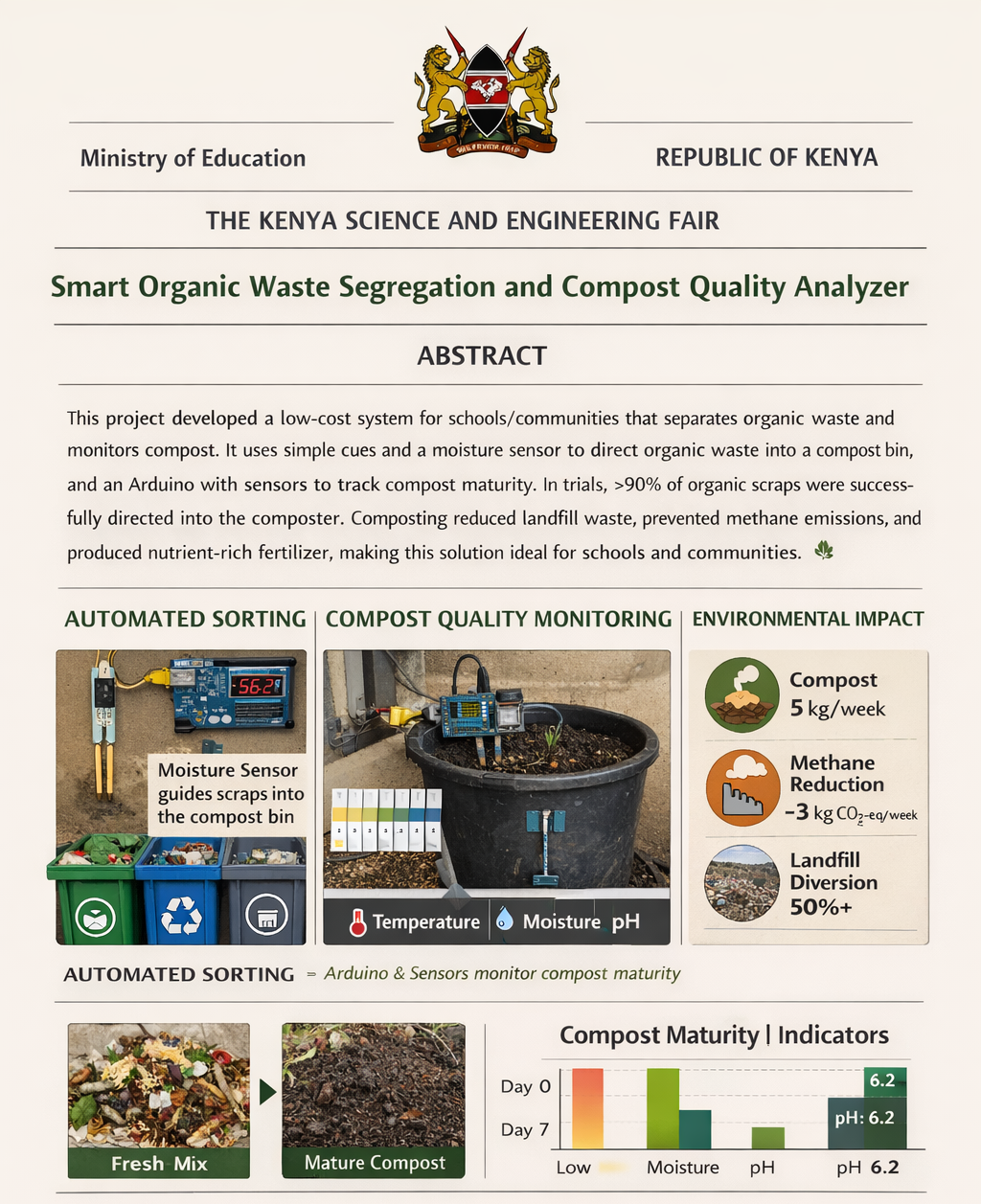
Congratulations to Dominic Mbeva on this powerful and forward-thinking vision for the future of the Kenya Science and Engineering Fair (KSEF). Your call to transform KSEF from a once-a-year exhibition into a dynamic national ecosystem of research, mentorship, innovation, and project commercialization is both timely and inspiring.
Your emphasis on documentation, publication, and sustaining student innovations beyond the exhibition table highlights a critical gap that, once addressed, can significantly elevate the impact of young researchers in Kenya. By advocating for structured project journals and knowledge preservation, you are championing a culture where student ideas are not only celebrated but also nurtured into lasting solutions.
This is the kind of visionary thinking that will shape the future of science education and innovation in our country. Your passion and commitment to empowering young minds and strengthening research culture are truly commendable.
Keep inspiring, keep innovating, and keep pushing boundaries. Kenya’s future in science and technology is brighter because of voices like yours.